Compare the Best New York Electricity Rates
Find the lowest Electricity rates in New York.
Enter Your ZIP Code to Get Started

Rated 5/5
Based on over 41,000 reviews

20+
Years of Experience
40%
Save up to 40%
100+
Electricity Providers
Automatic Savings - Sign Up In Minutes
Trusted by 10,000+ Customers
Same Power. Same Utility. Just 5-20% Less
money_bag 5-20% Less
Automatic monthly bill savings
verified_user Zero Risk
$0 cost to sign up. Cancel anytime.
solar_power No Installation
No panels. No equipment. No changes.
apartment Renters Welcome
Available to apartments & non-homeowner
Save up to 20%
Check AvailabilitySetting Up Electric Service in New York
Whether you're moving into a new apartment or your house, getting your power set up in New York will be on your to-do list. Utilities own and maintain the power lines in their service area. Luckily, it's not too hard when you know which utility company serves your area.
Once you know your utility, visit their website from the list below to start service.
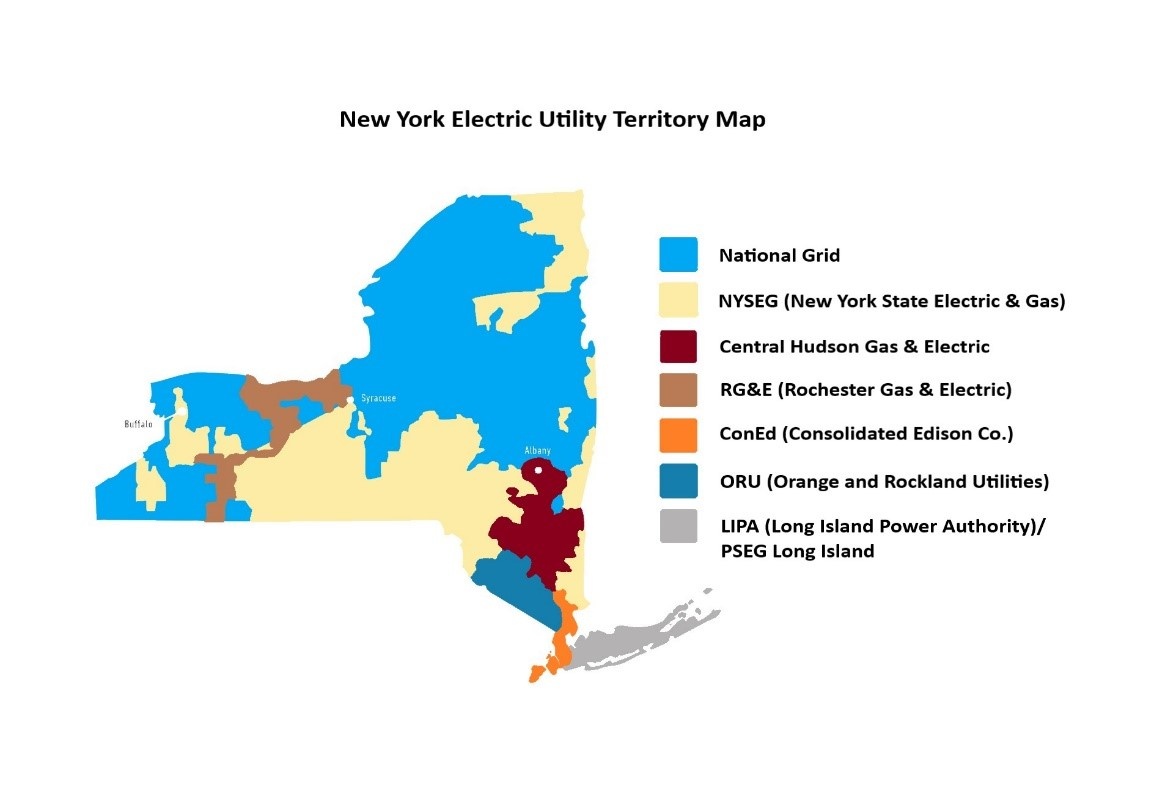
- Central Hudson Electric & Gas
- Consolidated Edison
- National Grid
- New York State Electric and Gas (NYSEG)
- Orange & Rockland
- Rochester Gas & Electric
Be ready to provide your address, move-in date, and identification details. Service can take 1-2 weeks to start up, so start the process early.
Note that PSEG Long Island service can take as long as 15-25 days to begin.
What Are Load Zones?
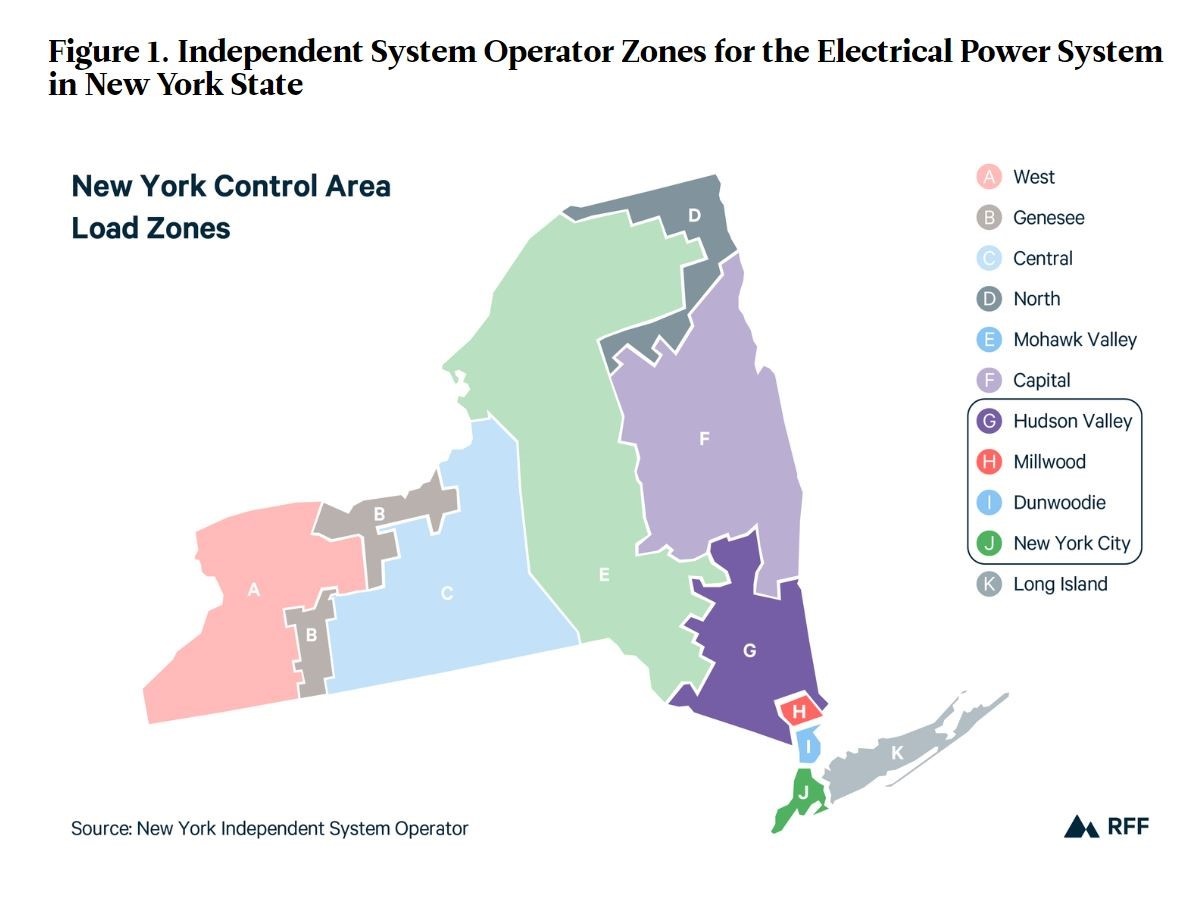
New York state has a complicated energy market. To keep the power flowing smoothly all across the state, the New York Independent System Operator (NYISO) has divided it into 11 load zones, labeled A through K. Load zones usually have different electricity rates. This is important to know because NY electric utilities provide service to more than one load zone. So, how much you pay for your electricity will depend on which zone you live in.
Luckily, you can just use your zipcode and you'll learn which utility and load zone your home is in.
What is the Price to Compare for New York Electricity?
The NY Public Service Commission (PSC) requires electric utilities to offer electricity at a default rate to their customers who don't shop for a retail supplier. This default price is called the "Energy Supply Charge". Because NY electric utilities no longer run power plants, they must purchase the electricity for the default rate from independent generator companies.
Different NY electric utilities charge different Energy Supply Charge rates. So, your bill will also depend on where you live or do business. Lastly, the Energy Supply Charge can include other charges such as a Merchant Function Charge, the Clean Energy Standard Supply Surcharge, the Electricity Supply Reconciliation Mechanism, Gross Receipts Taxes, and other surcharges that make it more expensive.
Though the PSC regulates the default Energy Supply Charge, rates are based upon market conditions. This means the default rate ususally will vary each month. However, you can use this default rate as a price to compare your regulated utility rate to rates offered by competing Energy Service Companies (ESCOs).
Of course, you can always stick with your utility's Energy Supply Charge. But you will be surprised how much you can save when you compare plans offered by ESCOs.
Current Regulated Utility Rates (auto generate widget)
You Can Choose Your Electricity Supplier
In New York State, you can choose to get your electricity supply from either your utility at their default rate or from a competitive Energy Service Company or "ESCO".
New York's deregulated energy market gives you the opportunity to shop and compare electricity suppliers. You can look for lower rates as well as choose from options with renewable energy, month-to-month rates, fixed pricing, or discounts for new customers.
Once you choose a supplier, sign up with them right away at UtilityRates.com.
Switch Electricity Providers in New York -- How It Works
When you decide to switch to a different Energy Service Company (ESCO), no changes to the connections to your home or wiring will need to happen. Your local electric utility will still deliver the power as well as maintain and repair the power lines.
Switching energy providers is easy and fast because you can do it all in one convenient place! Just compare available plans and choose the best New York electricity supplier for your needs.
Step 1: Enter Your ZIP Code
Got to UtilityRates.com. Type in your ZIP code to see the licensed electricity or natural gas suppliers available in your utility company's service area.
Step 2. Compare Rates and Plans
Shop for plans from approved ESCOs. Check out the price per kilowatt-hour (kWh), contract length, whether the rate is fixed or variable, and if the plan uses renewable energy.
Step 3. Choose a Plan
Pick one that fits your needs. Fixed-rate plans give you price stability, while variable rates can change month to month. Also, look out for sign-up bonuses or green energy perks. Pay attention to cancellation fees and plan expiration dates! Remember that if you are switching from another ESCO, you will want to check over your contract for these.
Step 4. Gather Your Utility Info
After you pick your new plan, how does switching work? To begin, gather up the following information. This will help your new provider find and connect through your electric utility without delays:
- Your service address
- Your current provider's name
- Your most recent electric bill with your utility account number *
* Please Note - NYSEG and RGE customers will need to provide their 15 digit PoD ID number beginning with "N".
Step 5. Sign Up with the New Provider
Sign up for the new plan right at UtilityRates.com. You won't even need to contact your previous provider.
TIP: Make a note about when your plan ends. This way, you can plan ahead when to take your time to shop deals.
Step 6. Wait for Confirmation
You'll get a confirmation letter from your utility showing the name of your new energy supplier. It might take one or two billing cycles for the switch to go through, but your electricity won't be interrupted.
Step 7. Keep an Eye on Your Contract
There's no fee to switch. And, you can return to your local utility's default rate at anytime.
Lower Your Electricity Bill with Community Solar - Check Availability
Enter your ZIP code and utility provider to see if community solar is available in your area and how much you can save.
Free to check. No obligation.
Want to know what happens next?
Learn more about the process and next steps in our How It Works page.
Compare the Best Home Solar Companies in New York
Receive and compare multiple quotes for home solar panels. Save time, reduce costs, and choose the best option with expert support.

Sunny Savings in Under a Minute
Utility Rates and EnergySage have partnered to help you go solar and save more.

Learn if you're a good fit for home solar.
Quick Look at Electricity Deregulation in New York
Back in the day, New Yorkers had no say in who supplied their electricity. Your electric utility company did it all. They generated the power, got it to your house, sent you the monthly bill, and you paid it. That was it. But that all changed in the late 1990s, when the state decided to open up the market and give customers more power; both literally and financially.
Deregulation Laws in New York
In 1994, the New York Public Service Commission (PSC) launched a proceeding to explore a competitive opportunities case in the New York electric industry. Over months, the PSC drew up principles to reduce electricity customer costs while improving electric supply resources through competition. Ultimately, on May 20, 1996 the PSC issued a reform order, Opinion 96-12. Without support from the state legislature, this order deregulated New York by laying out the wholesale market, establishing retail access, and requesting plans from utility companies to restructure themselves into "wires-only" distribution companies. In this way, the supply of electricity would be separated from its delivery.
While legal challenges delayed the process, by 1998, consumers could go to private Energy Service Companies (ESCOs) to set up electric service.
Today you can pick from different ESCOs offering fixed-rate, variable-rate, or green energy plans. Want to support wind power? Go for it. Want a low priced fixed rate? That's on the table too. Some ESCOs offer deals, rewards, or other perks to win your business. The competition keeps prices lower so you save some money on electricity.
Why You Still Pay the Utility
Even if you switch suppliers, your local utility company still delivers the electricity. They own the power lines, handle maintenance, and respond to outages. Your monthly bill will also still come from your utility and include a delivery charge from them, even if your supply comes from another company.
Even though NY electric utilities offer a default energy supply rate, you can use it as a price to compare rates and plans from approved ESCOs. Start by visiting UtilityRates.com, to shop the cheapest price per kilowatt-hour rates. You can also compare plans based on contract length and whether the electricity is from renewable sources. You can shop and sign up for your plan all in one!
Utilities vs. ESCOs: Who Does What in New York?
Think of New York's electricity system like ordering food through a delivery app. The utility is the delivery driver; they bring the electricity to your home, no matter who you buy it from. The Energy Service Company (ESCO) is the restaurant; you can choose what you want, how long it will last, how much to pay, and even extras like renewable energy sources.
Of course, you still get to choose. You can stick with your utility's default supply or explore different ESCOs. Either way the lights stay on. The question, however, lies in finding the one that gives you the best deal.
NY electric utilities must buy their default energy supplies from generating companies that include power plants in New York, neighboring states, and Canada. To do this, the NY PSC encourages them to take advantage of a variety of hedges and buying strategies to keep prices low. While that lets them compete better than most, often it's the huge load sizes that can sometimes make them less agile in the wholesale market.
Though ESCOs use all the same buying tricks as utilities, their smaller demand size can give them more leeway to work out deals with power suppliers. By bringing down their prices, they can offer customers better, more competitive rates. Plus, they can also provide renewable energy options, or new customer deals. You can compare all your choices at UtilityRates.com.
Find the Best Commercial Energy Plans for Your Business - Get a Free Energy Quote
Fill in a few basic details-such as your service location, usage range, and business information-to help identify available commercial energy plans in your area.
After you submit the form, we'll review your information and prepare a personalized set of options you can compare at your own pace.
Want to know what happens next?
Learn more about the process and next steps in our How It Works page.
Go Green with Your Power in New York
Want to effortlessly help the planet with your electricity choices in New York? In our state, it's easy to choose a green electricity plan and it doesn't mean giving up on low priced rates either.
Our state has a goal of 100% clean energy by 2040. Currently about one third of the state electricity comes from hydroelectric sources. But, the state also has built substantial utility scale solar and wind resources. However, most ESCOs offer >green energy plans that use Renewable Energy Certificates (RECs). Because the grid carries electricity from all sources mixed together, ESCOs use RECs to show they bought an equal amount of clean energy that was produced somewhere on the grid. Energy suppliers then retire the RECs when the energy is used to supply their customers.
Green plans are easy to shop and compare. Just look for the renewable energy options when browsing plans. Some green plans might cost a little more than others, but are very competitive. This way, you can help support new renewable power projects and help reduce CO2.