Learn How You Can Save with Community Solar

Select a Service Type and Enter Your ZIP Code to Get Started

Service Type:
review

Rated 5/5

Based on over 41,000 reviews

area

40%

Save up to 40%

electricity

100+

Electricity Providers

natural gas

40+

Natural Gas Providers

Average Annual Community Solar Savings

10-50%

Off your electricity bills with guaranteed discounts from participating solar farms nationwide

Guaranteed Savings

Subscribe to a solar farm and receive 5-15% annual discounts on electricity. Pay less for the same power you already use.

Perfect for Renters

No homeownership required. Renters, apartment dwellers, and condo residents can all participate and save money.

Zero Installation

No panels on your roof, no equipment installation, no maintenance responsibilities. Subscribe online in minutes.

Environmental Impact

Support clean energy development in your community and reduce carbon emissions without changing your daily routine.

What Is Community Solar?

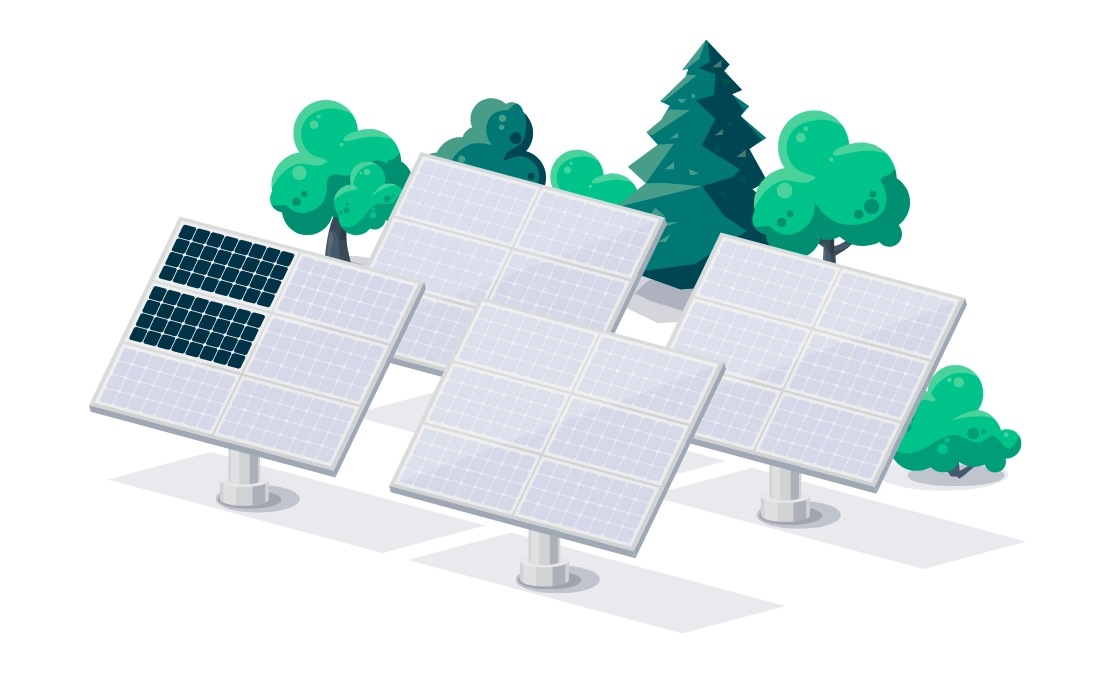
Community solar (also called shared solar or solar gardens) allows multiple households and businesses to benefit from a single, large-scale solar installation. Instead of installing panels on your own property, you subscribe to a portion of a centralized solar farm located elsewhere in your utility service area.

These large solar arraystypically 1-5 megawatts in sizegenerate clean electricity that flows directly into the local power grid. Subscribers receive credits on their utility bills based on their share of the energy produced, typically at a discounted rate compared to standard electricity prices.

Key Concept: You don't physically receive the solar electricity at your property. Instead, the solar farm injects clean power into the grid, and you receive financial credits that reduce your regular utility bill. It's like buying electricity at wholesale prices instead of retail rates.

How Community Solar Works in 3 Simple Steps

1

Subscribe to a Solar Farm

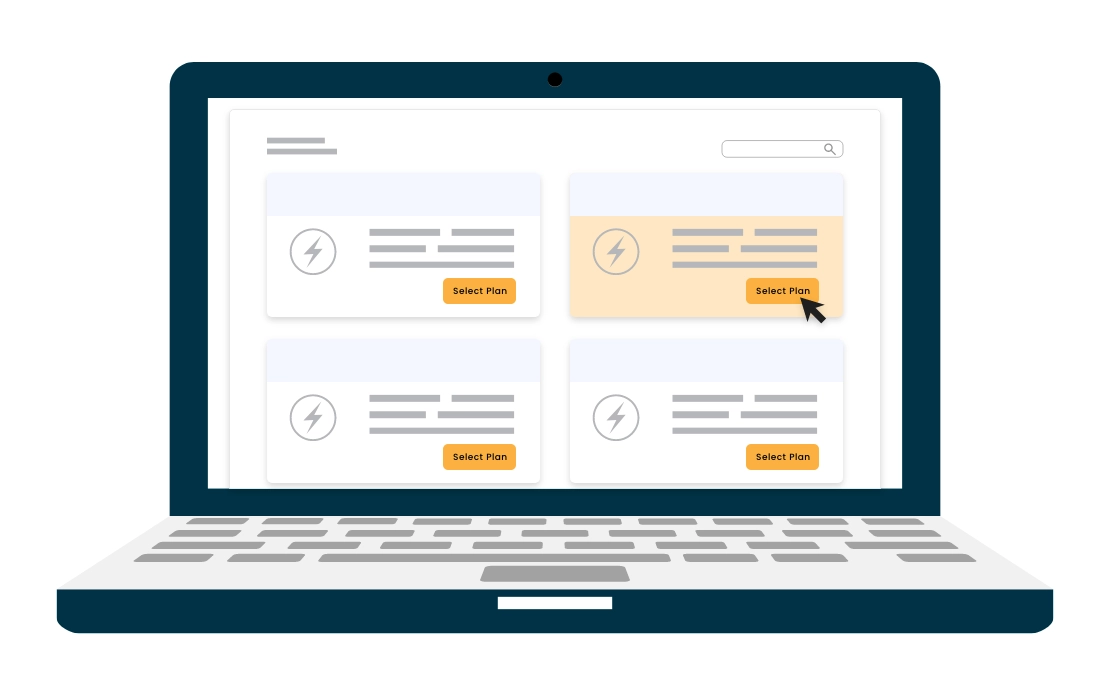
Choose a community solar project in your utility service area and sign up for a subscription sized to match your electricity usage. Most subscriptions are free to join with no upfront costs.

2

Solar Farm Generates Power

The solar farm produces clean electricity and feeds it into the local utility grid. Your subscription entitles you to a portion of this production based on your subscription size.

3

Receive Bill Credits & Savings

Your utility applies solar credits to your monthly bill. You pay the solar farm provider for these credits at a 5-15% discount, resulting in guaranteed savings on your total electricity costs.

Understanding Your Bills

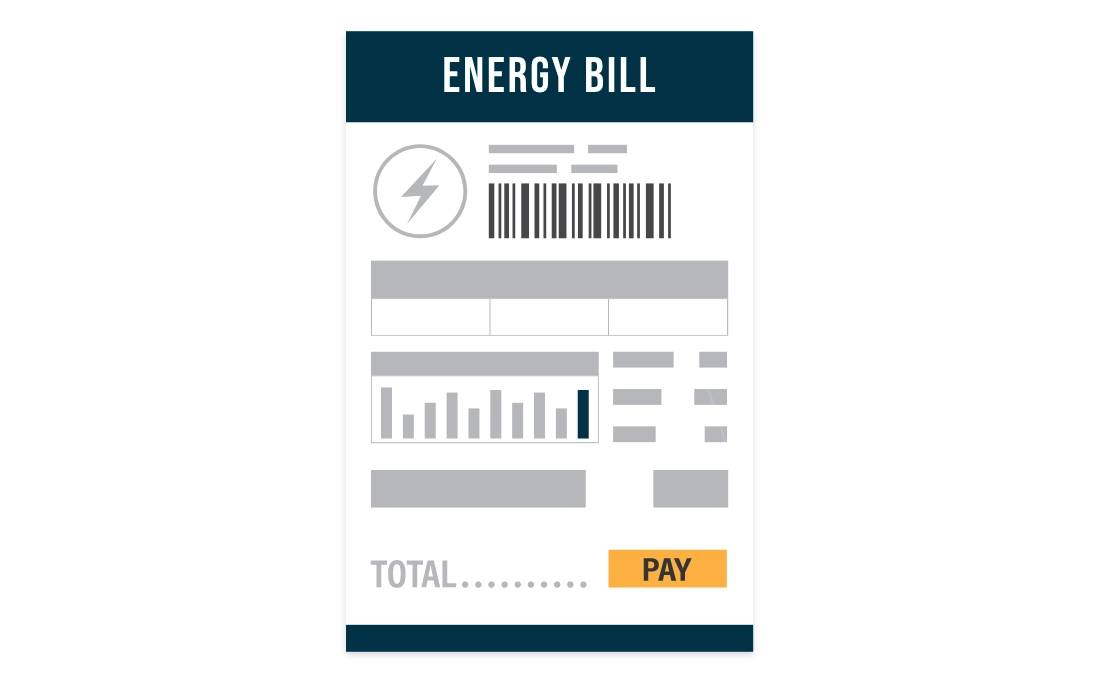
With community solar, you'll receive two bills each month:

  • Utility Bill: Shows solar credits as a line item reducing your charges, plus any remaining electricity usage from the grid
  • Solar Farm Bill: Charges you for the solar credits at your guaranteed discount rate (typically 5-15% less than the credit value)
  • Net Result: Your total monthly electricity costs decrease because you're paying less for the solar credits than their full value

Who Can Join Community Solar?

You're Eligible If You:

  • Live in a state or utility territory with active community solar programs
  • Rent an apartment, condo, or house without permission to install rooftop solar
  • Own a home but have a shaded roof, older roof, or HOA restrictions
  • Run a small business looking to reduce operating costs and support clean energy
  • Want to support solar energy without equipment installation or maintenance
  • Meet credit score requirements (varies by provider, many have no minimum)

States With Community Solar Programs

Community solar is available in 22 states plus Washington D.C., with programs expanding rapidly. States with the most active markets include:

NY New York
IL Illinois
MA Massachusetts
MN Minnesota
MD Maryland
NJ New Jersey

Other states with growing programs: California, Colorado, Connecticut, Delaware, Florida, Maine, New Mexico, Oregon, Rhode Island, Virginia, Vermont, and Washington.

Important: You don't need to own your home to participate in community solar. Renters are explicitly welcome and make up a significant portion of community solar subscribers nationwide.

How Much Money Can You Save?

Community solar savings come from the discount built into your subscription agreement. Here's how the math works:

Scenario Monthly Solar Credits What You Pay Your Savings
10% Discount $100 $90 $10/month
15% Discount $100 $85 $15/month
20% Discount $100 $80 $20/month

Real-World Savings Example

Let's say your typical monthly electricity bill is $120. With a 10% community solar discount:

  • Your solar farm subscription generates $60 worth of credits monthly
  • You pay the solar provider $54 for those credits (10% discount)
  • Your utility bill drops from $120 to $60 after credits are applied
  • Total monthly cost: $60 (utility) + $54 (solar) = $114 instead of $120
  • Monthly savings: $6 | Annual savings: $72
Savings Guarantee: Most community solar providers guarantee your discount percentage for the entire contract term (typically 1-25 years). Unlike fluctuating retail electricity rates, your savings are locked in and predictable.

Factors That Affect Your Savings

Your actual savings depend on several variables:

  • Discount Percentage: Ranges from 5-20% depending on state regulations, provider, and subscription type
  • Electricity Usage: Higher usage subscribers receive larger absolute dollar savings
  • Subscription Size: Matched to your annual consumption for optimal benefit
  • Seasonal Variations: Solar production fluctuates with weather, affecting monthly credit amounts
  • Income Qualification: Low-to-moderate income (LMI) programs often offer higher discount tiers

Your Environmental Impact

The average community solar subscriber offsets significant carbon emissions annually:

8 Tons CO Emissions Reduced
115 Trees Equivalent Planted
16,564 Miles Not Driven

That's the equivalent of taking your car off the road for nearly two-thirds of the year, all while saving money on electricity bills.

Community Solar vs. Rooftop Solar: Which Is Right for You?

Feature Community Solar Rooftop Solar
Upfront Cost $0 $15,000-$30,000
Installation Required None Yes (roof work)
Maintenance Zero responsibility Your responsibility
Available to Renters Yes No
Works with Shaded Roofs Yes Poor performance
Move Flexibility Transfer or cancel Panels stay with property
Typical Savings 5-15% annually 50-100% long-term
Contract Length 1-25 years (varies) 25+ year ownership
Best For Renters, easy savings, flexibility Homeowners, maximum long-term savings
Bottom Line: Rooftop solar offers greater lifetime savings but requires significant upfront investment and homeownership. Community solar provides immediate, guaranteed savings with zero installation hasslesperfect for renters, those with unsuitable roofs, or anyone wanting simple, risk-free solar benefits.

How to Sign Up for Community Solar

1

Find Available Projects

Search for community solar farms in your utility service area using your ZIP code. Multiple projects may be available depending on your location.

2

Compare Subscription Offers

Review discount rates, contract terms, cancellation policies, and credit requirements. Look for guaranteed savings and transparent pricing.

3

Complete Enrollment

Provide your utility account number, recent bill, and contact information. Most providers complete soft credit checks that don't affect your credit score.

4

Get Allocated to a Farm

The provider assigns you to a solar farm and subscription size matching your usage. Some farms are operational immediately; others may be under construction.

5

Start Receiving Credits

Once your subscription activates, solar credits appear on your utility bill automatically each month. You'll receive separate invoices from the solar farm provider.

Timeline: Enrollment typically takes 10-30 minutes online. Credit activation ranges from immediate (for operational farms) to 6-12 months (for farms under construction). Providers notify you of expected start dates during signup.

Top Community Solar Providers

Several national and regional providers operate community solar programs. Here are some leading companies:

Clearway Community Solar

States: IL, MA, MN, NY

Farms: 55+ active, 50+ in development

Savings: 20% guaranteed (IL, MA, NY)

Largest US provider with established track record since 2015.

Nexamp

States: IL, MA, MD, ME, MN, NJ, NY, VA

Portfolio: 1.5 GW under management

Savings: 10-15% typical

Veteran-founded (2007) with vertically integrated model.

Solstice

States: CA, IL, MA, MN, NJ, NY, DC

Customers: 6,400+ households

Savings: 20-60% range

MIT startup using EnergyScore alternative to credit checks.

Ampion

Portfolio: 1.5 GW under management

Savings: $42M+ delivered to subscribers

Focus: Public Benefit Corporation

Mission-driven with low-income accessibility focus.

Arcadia

Portfolio: 2+ GW (3+ GW after Perch merger)

Platform: Digital energy platform

Services: Community solar + energy management

Technology-forward platform with nationwide reach.

Common Energy

Approach: Simplified enrollment process

Focus: Transparency and education

Reviews: High customer satisfaction

Growing provider with strong customer service focus.

Choosing a Provider: Compare guaranteed savings percentages, contract length, cancellation fees, credit requirements, customer reviews, and farm proximity. Providers in your area may vary significantly in offerings and terms.

What Community Solar Subscribers Say

"Saving every month! Love that we're part of the community solar program and helping lower carbon emissions. It was so easy to sign up and find a solar farm to subscribe to. Now we're saving off our energy bill and doing a little extra to help the planet. Win win!"
Arianna
Massachusetts Subscriber
"Everything electric is exactly the same. The regular electric bill will change by a couple lines of text and the savings. The generation bill is very clear and one short page. I signed up for the 20% savings and this has been reliable. Overall an uneventful and worthwhile decision."
James
Solstice Customer
"Super excited to save money and have greener electricity. Pre and after sale service was excellent. I specifically appreciated the interaction with the specialist, who was very knowledgeable and clear about how everything works."
Matthieu
Common Energy Subscriber

Frequently Asked Questions

Is community solar actually legit? How can this be free?

Yes, community solar is completely legitimate. It's not "free" in the sense that you don't pay anythingrather, there are no upfront costs to join. You pay the solar farm provider for the credits you receive, but at a discounted rate (5-20% less than their value). The discount is where your savings come from. This business model works because large solar farms generate electricity more cheaply than retail rates, and providers share those savings with subscribers while still profiting.

What happens if I move to a new address?

Moving policies vary by provider. If you move within the same utility service territory, you can typically transfer your subscription to your new address for free. If you move outside the service area, most providers allow you to either transfer your contract to another eligible customer or cancel without penalty by providing proof of your move (often requiring 30-60 days written notice). Always review cancellation and transfer terms before signing up.

Do I need good credit to qualify?

Credit requirements vary significantly by provider. Some community solar companies have no credit score minimum and welcome all subscribers. Others may require credit scores of 580-650 or higher. Many providers perform only "soft" credit checks that don't affect your credit score. Innovative providers like Solstice use alternative qualification methods (EnergyScore) that analyze utility payment history instead of traditional credit. Low-to-moderate income programs often have reduced or waived credit requirements.

Can I cancel my subscription if I'm not satisfied?

Cancellation policies depend on your contract terms. Some providers offer no-fee cancellation with 30-60 days notice. Others may charge early termination fees, particularly if you signed a multi-year contract. Many providers now offer month-to-month or annual agreements with flexible cancellation. Review the contract carefully before signing and look for transparent cancellation policies.

Will my utility bill still go up with rate increases?

Your utility bill will still be affected by rate increases for the electricity you purchase from the grid. However, the portion covered by solar credits is protected at your guaranteed discount rate. This means as utility rates increase, your locked-in solar discount becomes increasingly valuable. Some subscribers actually see greater percentage savings over time as retail electricity prices rise while their solar subscription rate remains fixed.

How long does it take to start receiving credits?

If you subscribe to an already-operational solar farm, credits can begin appearing on your utility bill within 1-2 billing cycles. If your subscription is to a farm under construction, expect 3-12 months before credit allocation begins. Providers notify you of expected timelines during enrollment and provide construction updates. You're never charged for credits until the farm is operational and producing power.

What happens in winter when solar production is lower?

Solar production does fluctuate seasonally, with summer months generating more electricity than winter. However, your subscription is sized based on annual production, not monthly output. Your guaranteed discount percentage applies year-round, so savings remain consistent annually even if monthly credit amounts vary. Most providers design contracts accounting for seasonal variations to ensure promised annual savings are delivered.

Can businesses participate in community solar?

Absolutely! Community solar welcomes commercial subscribers including small businesses, nonprofits, educational institutions, faith organizations, and municipalities. Business subscriptions can be significantly larger than residential ones, leading to greater absolute dollar savings. Some states and programs specifically reserve capacity for commercial or public entity subscribers.

Is this available in my state?

Community solar programs currently operate in 22 states plus Washington D.C. The most mature markets include New York, Illinois, Massachusetts, Minnesota, Maryland, New Jersey, Maine, and Colorado. Other states with active or emerging programs include California, Connecticut, Delaware, Florida, New Mexico, Oregon, Rhode Island, Virginia, Vermont, and Washington. Availability within states varies by utility territory. Enter your ZIP code to find projects serving your specific area.

Are there income-qualified programs with higher discounts?

Yes! Many states mandate that community solar farms reserve 25-50% of capacity for low-to-moderate income (LMI) subscribers. These programs typically offer higher discount rates (often 50-60% instead of 10-15%), reduced or waived credit requirements, and additional consumer protections. Examples include Illinois Solar for All, New York's Affordable Solar program, and various utility-specific initiatives. Check with providers about income-qualified program availability in your area.

Ready to Start Saving With Community Solar?

Find available solar farms in your area and compare subscription offers to start saving 5-15% on electricity today.

Search Solar Farms by ZIP Code

Additional Resources

State-by-State Guide

Explore community solar programs, regulations, and available incentives in each state with active markets.

Savings Calculator

Estimate your potential annual savings based on your location, electricity usage, and available subscription offers.

Provider Comparison Tool

Compare discount rates, contract terms, credit requirements, and customer reviews across multiple providers.

Contract Review Guide

Learn what to look for in community solar contracts to protect your interests and maximize savings.

Latest & Most Popular News

Lorem ipsum dolor sit amet, consectetur adipiscing elit, sed do eiusmod tempor incididunt ut labore et dolore magna aliqua.

Ready to choose your energy rate?

Enter your ZIP code to explore the best energy plans in your area. Compare energy rates side by side, and choose the one that fits your home and budget.